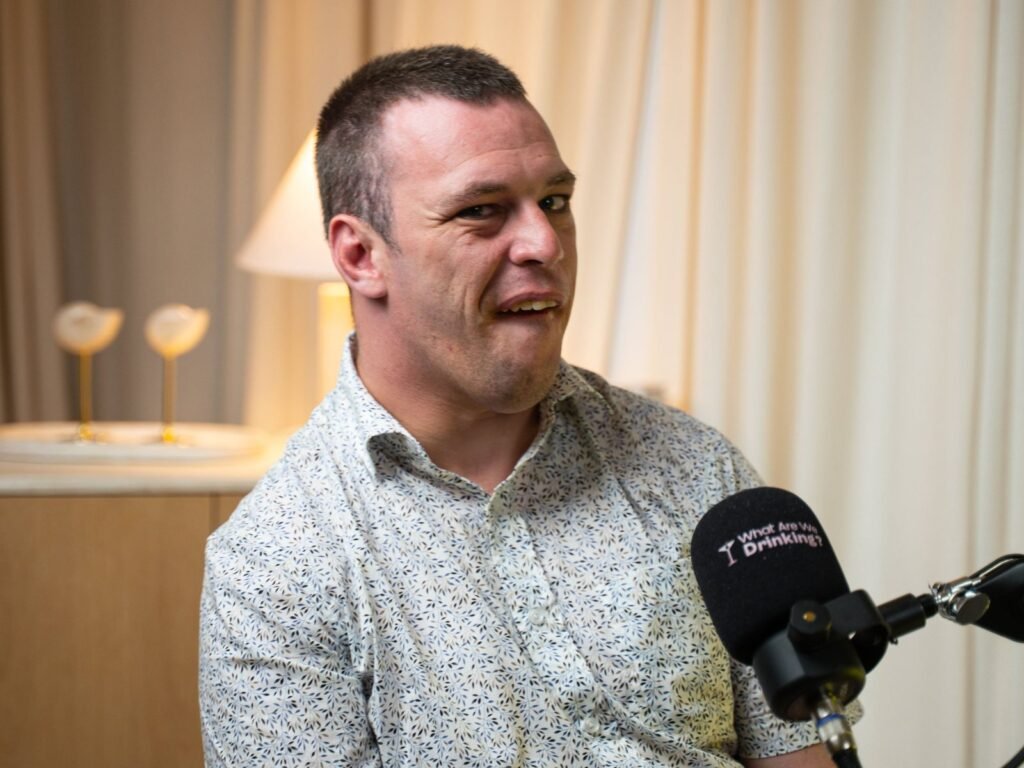
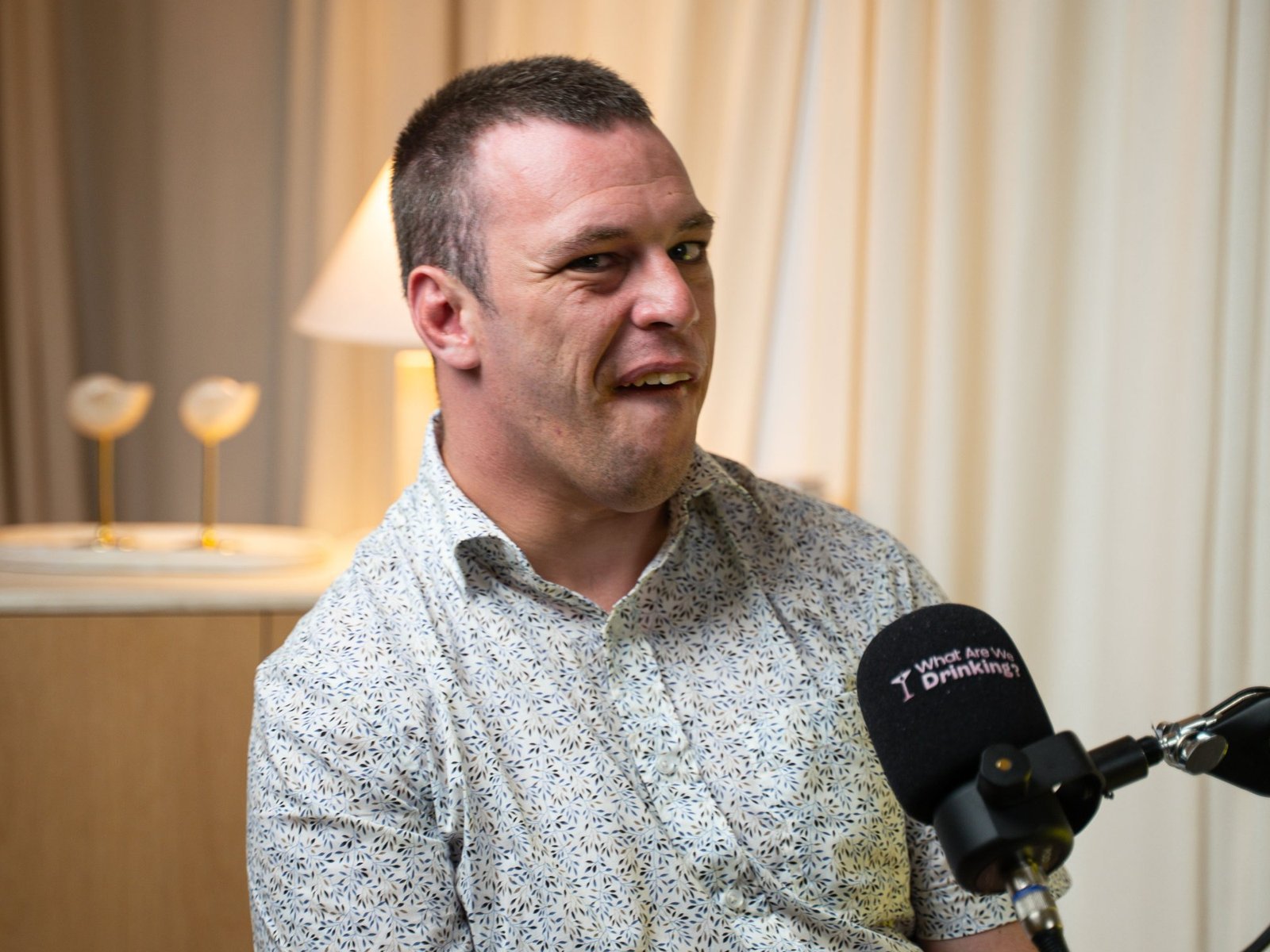
“I would go through it in three months, and then for the nine months of the year, I wouldn’t be able to get out at all.”
That’s Eric Barrett, talking to Rachel on Episode 29 of What Are We Drinking?, recorded the day before the Senate votes on whether the cut stays. Eric has cerebral palsy, works full-time on the switchboard at Royal Prince Alfred Hospital and coaches basketball with the Hornsby Spiders. His community participation funding is how he gets to all of it.
So what is the cut, who does it hit, and what happens next?
What’s being cut
The cut comes from a single legal instrument: the National Disability Insurance Scheme (Support) Determination 2026. It was registered on 29 September 2026, and it cuts funding for social, economic and community participation by 50% and improved daily living skills by 10%, starting with plans that take effect from 1 October.
It doesn’t hit everyone overnight. The reset applies as plans are reviewed or renewed, phasing in over about 12 months.
Some supports are protected. After amendments in the Senate, support determinations can no longer reduce daily living, transport, consumables, assistive technology or home modifications.
Where the power came from
The ability to cut a whole category at once came in with the Securing the NDIS for Future Generations Bill, which passed the Senate on 18 August 2026, 28 votes to 12. It created a new ministerial power to reduce funding for a whole category of support for every participant who receives it, regardless of their individual circumstances.
The government’s case is sustainability: it has targeted social and community participation because spending there has grown faster than the scheme average. Critics argue the cut isn’t needed to fix that. Grattan Institute analysis found that removing the 50% and 10% cuts would still leave average NDIS growth at around 3% over the forward estimates.
What community participation pays for
On Episode 22, Aden Perry, founder of OurChoice Disability, explained why community access is capacity building: ordering a coffee, going shopping, making friends, cooking a meal and coming home with a story to tell.
For Eric, it’s the support that gets him out of the house: to work, to training, to game day. When Rachel asked what a 50% cut would mean, his answer was blunt: “To work, to sport, to anywhere. Gone.”
He’s not alone. At Senate estimates, a department deputy secretary acknowledged the cuts will have an effect, and disability groups have pointed out that many people with Down syndrome rely on their community participation budgets to work.
Who it hits hardest
The cut is flat, but the impact isn’t. People in supported independent living or specialist disability accommodation have community participation budgets more than five times as high as other participants on average. Eric lives in SIL.
People with intellectual disability, Down syndrome and vision impairment may also be heavily affected, because community participation often makes up a bigger share of their plans.
There’s a safety question too. Advocates have warned the cuts could leave participants in unsafe environments, including a higher risk of domestic violence.
Eric’s worry goes beyond the individual. Stuck at home, he told Rachel, people’s mental health deteriorates, “and our already overwhelmed hospital system will have to face the forefront of the effect of the decision to cut.”
The Senate vote
The determination can still be overturned. Senator Jordon Steele-John has moved a motion to disallow it, and the Senate is due to vote on 17 November 2026. If the Senate agrees, the determination stops having effect.
It’s an uphill vote. The bill behind the cuts passed with support from both major parties, so overturning the determination needs senators to change their minds.
We’ll keep this post updated with the outcome of the Senate vote. In the meantime, Every Australian Counts has the latest from the disability community.
What Eric wants
Eric is heading to Parliament House to meet MPs and senators in person. His message is simple: “We are not numbers. We are people.”
And he wants decision-makers to stop guessing: “Listen to the people and not assume what they need by other people’s reports. Talk to us first.”
Eric sat down with Rachel over a glass of water, which his support worker says he’s never seen him drink. His usual is a Coopers Red.
Listen to Eric’s full episode →
Sources
- Securing the NDIS Bill timeline and the Support Determination, Clinic Comply
- NDIS community participation funding cuts 2026, etrainu
- We read the Senate Committee’s final NDIS report, Loving Life Care
- The NDIS Bill has passed the Senate. What actually changed?, Insight PBS
- NDIS reform is putting the cuts before the safety net, John Menadue
- These deep cuts aren’t needed to save the NDIS, Grattan Institute
- Senate schedules more NDIS bill hearings, abilityNEWS
- NDIS cuts could restrict some people from work access, Michael West Media
- With NDIS changes set to pass, here’s who bears the cost, University of Wollongong
- NDIS cuts could create unsafe environments, inquiry warned, Women With Disabilities Australia
- Community access isn’t just fun: the 17 November NDIS vote, Loving Life Care
- Ask your senators to vote against NDIS support cuts, Every Australian Counts