What Are We Drinking?
Double espressos, big thinking, and simplifying a system that doesn’t need to be this hard with Michael Graves
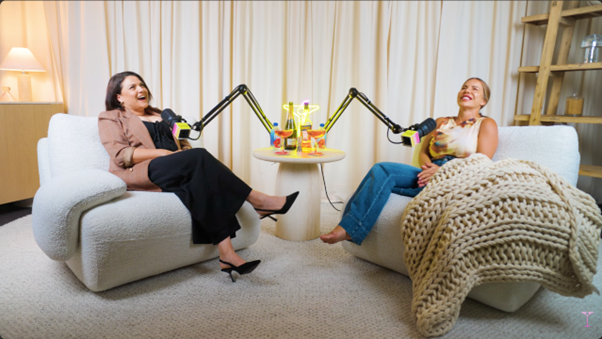
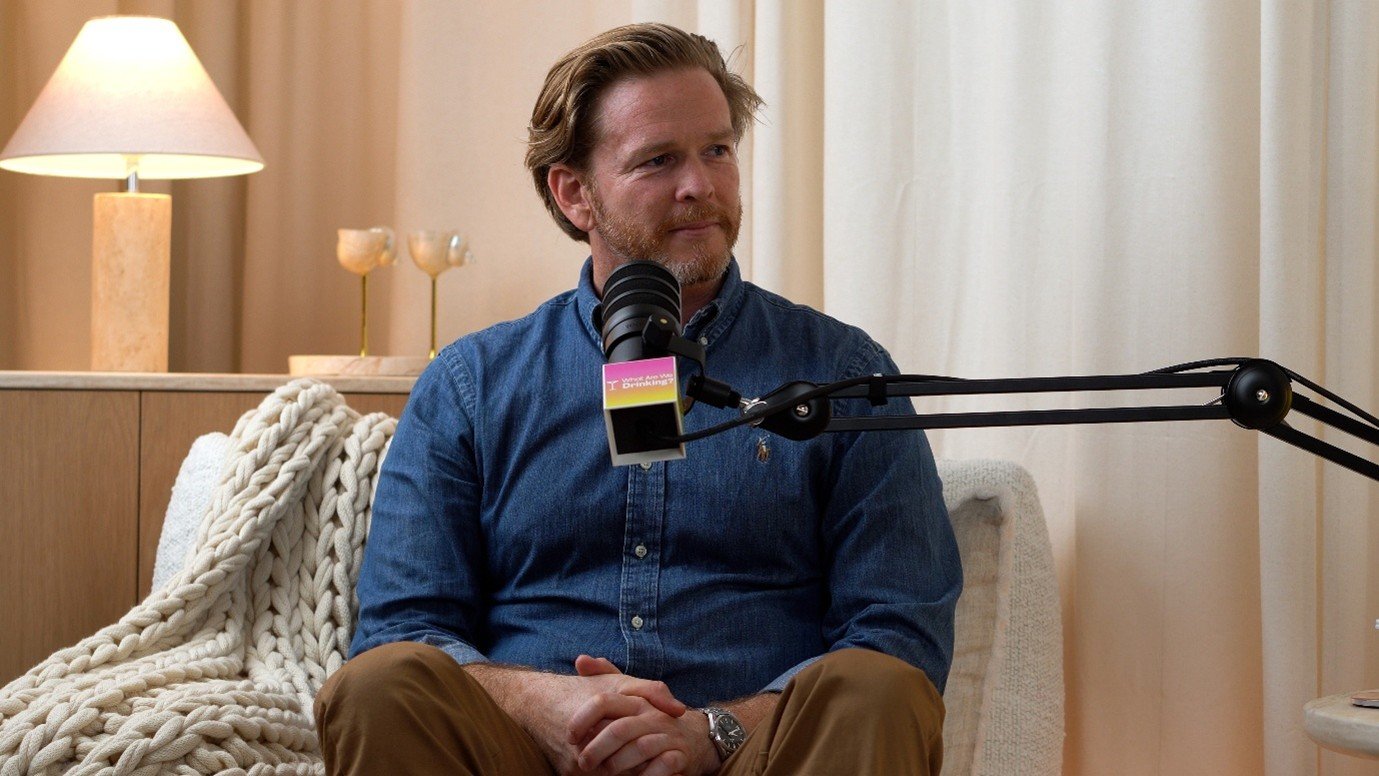
Some episodes of What Are We Drinking? are light, bubbly, and playful. Others are sharp, grounded, and quietly powerful. This one was fuelled by double espresso. Michael Graves, CEO of Visual Care, didn’t come to this conversation with a cocktail or a crowd-pleasing order. He came with caffeine, clarity, and a deep curiosity for how things actually work. Double espresso energy. Straight to the point. No fluff. No performance. So naturally, I matched him, even though I would have much preferred a margarita.
From law and private equity to purpose-led leadership
Michael’s career path doesn’t follow a straight line, and that’s exactly what makes it interesting. He started as a lawyer, moved into finance and private equity, and then made a conscious decision to stop chasing boardrooms and start building teams.
That shift matters.
His first real taste of operational leadership came running a footwear business founded by a podiatrist and physiotherapist, a brand built around functional design, dignity, and choice. What surprised him most wasn’t the commercial success, but the emotional impact. Customers telling him, often unexpectedly, that the product had changed their lives by giving them confidence to move, to leave the house, to participate again.
That theme followed him into education technology and eventually into the NDIS. Different sectors. Same thread. When systems work well, people live better.
Entering the NDIS with fresh eyes
Michael joined Visual Care as CEO in January and is the first to admit he is new to the NDIS space. But rather than pretending expertise, he leads with listening. In his first months, his focus has been on getting out of the office, talking to providers, attending conferences, and learning directly from the people using the system every day. That outsider-insider balance matters. He hasn’t yet drunk the Kool-Aid, and that perspective allows him to ask better questions.
One of the biggest is also the simplest. Why is this so complicated? Michael believes software providers have a choice. They can mirror the complexity of the NDIS, or they can simplify it. Visual Care is choosing simplification.
Why Visual Care exists
Visual Care is an end-to-end care management platform supporting both disability and aged care providers, from onboarding and rostering through to compliance, complaints, and payments. What matters isn’t just what it does, but how it thinks. The goal isn’t to add more dashboards, more steps, or more admin for the sake of it. The goal is to reduce duplication, minimise human error, and give providers back time to do the work that actually matters. Michael shared a simple but powerful example. If a provider has to enter a participant’s name five times a day across different systems, that isn’t diligence. That’s inefficiency. And inefficiency costs time, money, and energy that the sector can’t afford to lose.
Leadership without the busy badge
One of the strongest parts of this conversation was Michael’s reflection on leadership and availability. He no longer uses the word “busy.” Not because he isn’t working hard, but because saying you’re busy tells people their priorities matter less than yours. It shuts down conversation before it starts.
Early in his career, feedback from a team member stopped him in his tracks. When he asked why no one aspired to be CEO, the answer was simple. He made the role look miserable. That moment changed how he shows up. More accessible. More transparent. More human. Leadership is about listening, empowering people to make decisions, and creating an environment where mistakes are part of learning, not something to fear.
Business, profit, and the discomfort we need to stop avoiding
We also went where a lot of NDIS conversations still struggle to go. Profit. Michael and I were aligned on this. Profit is not a dirty word. It is not the enemy of care. It is what allows organisations to survive, grow, invest, and continue supporting people well.
The reality is that the NDIS is a fixed-price market with rising costs. If providers don’t understand their numbers, their margins, and their operational efficiency, purpose alone won’t keep the doors open. Technology should support this, not complicate it. Real-time data, clear dashboards, and meaningful metrics allow leaders to make informed decisions before problems become crises. Waiting for monthly reports is too late.
Changing the narrative, not feeding it
As someone new to the sector, Michael has already noticed the disconnect between reality and public perception. The media headlines focus on the worst behaviour of a small minority, while the everyday excellence of providers and support workers goes unseen. That narrative hurts everyone. Participants. Families. Providers. Workers.
Watch the Full Episode